
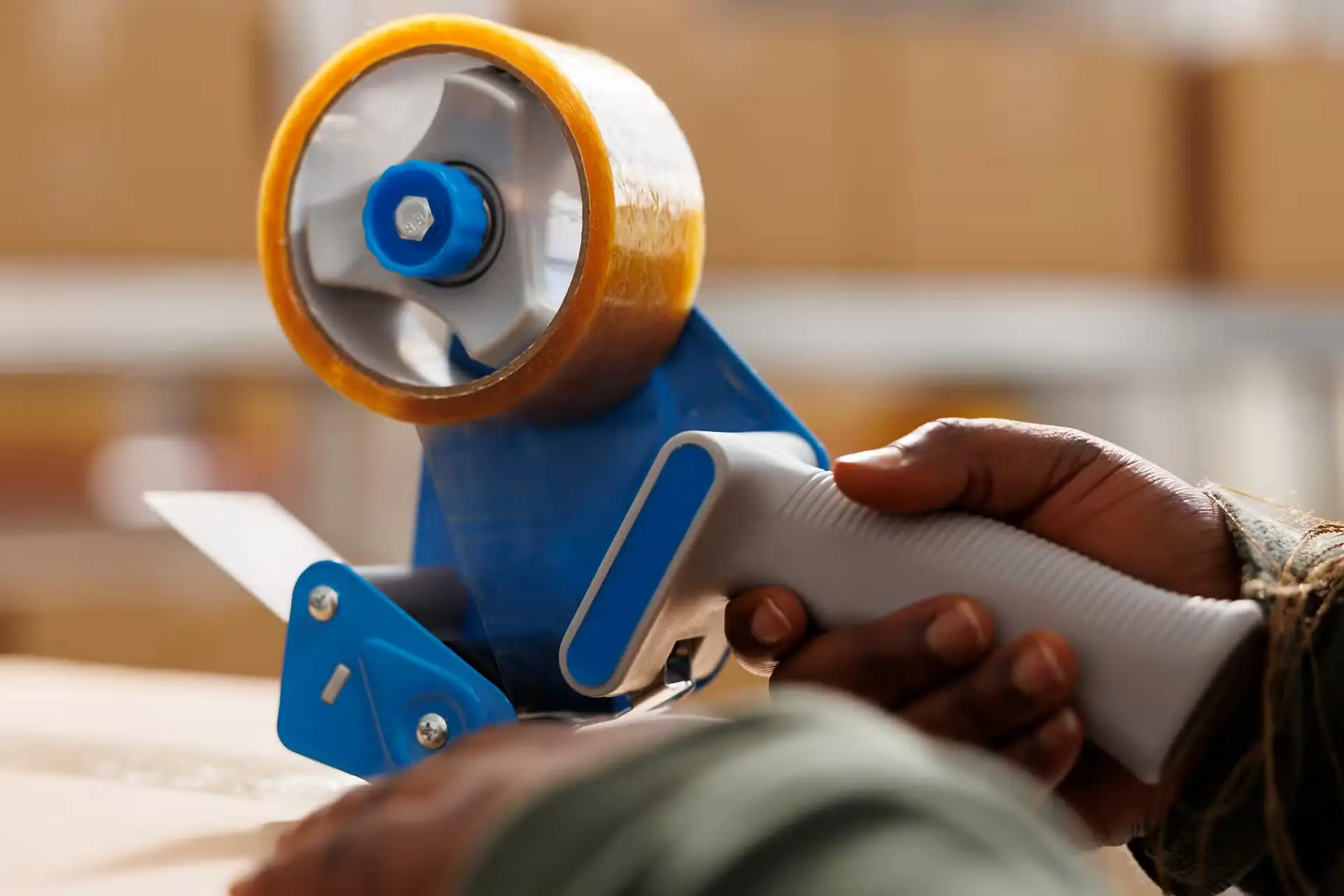
Adhesive tape is rarely something that gets much attention during procurement. It is usually a small purchase, often reordered from the same supplier without much thought about whether the product is still the best fit for the job.
For laboratories and industrial sites, however, the right tape can make a difference. Adhesive tapes are used to seal, mask, mark, bundle, protect and identify materials, sometimes in environments where temperature, sterility, chemical resistance and safety requirements all need to be considered. Choosing the wrong product can lead to adhesive residue, failed seals, markings that do not last or tape that simply does not perform as expected.
This guide looks at the key factors to consider when choosing adhesive tape for laboratory, healthcare and industrial applications, and when it makes sense to use a specialist product rather than a general-purpose tape.
Why Tape Selection Is Not Always Straightforward
There is no single type of adhesive tape that works for every application. The category covers everything from packaging and masking tape to electrical insulation tape, specialist sealing products and tapes designed for demanding environments.
Two of the most important factors are the backing material and the adhesive. The backing affects how the tape handles heat, moisture and other environmental conditions, while the adhesive determines how well it bonds, how easily it can be removed and whether it leaves residue behind.
Using the wrong combination can create problems that are not immediately obvious. A tape may hold initially but fail when exposed to heat or chemicals, or it may work well but leave behind adhesive that is difficult to remove from a sensitive surface.
As Heather Millard, Operations Manager of Azpack, explains:
“The tapes that cause the most disruption are rarely the unusual specialist products. More often it’s an everyday tape that’s quietly stopped being fit for purpose, because a process, material or temperature range changed somewhere along the line and nobody went back to check the specification. For procurement teams reviewing consumables across multiple sites or departments, that’s usually the first thing worth checking.”
For that reason, it is better to start with the application and working conditions rather than simply choosing the cheapest or most familiar tape.
Understanding the Application Before Choosing the Tape
Before ordering, it helps to answer a few basic questions about where and how the tape will be used.
What temperatures will the adhesive tape be exposed to?
A standard packaging or masking tape may be perfectly suitable at room temperature but unsuitable for high-temperature processes, freezer storage or autoclaving. Always check that the tape is designed for the temperature range involved.
Does the tape need to be sterile or suitable for sterilisation?
Laboratories and healthcare environments may require tapes that can withstand sterilisation processes without breaking down or leaving unwanted residue. This is particularly important where tape is being used around instruments, samples or sterile equipment.
Will it come into contact with chemicals or solvents?
Some adhesives can deteriorate when exposed to cleaning products, solvents or laboratory chemicals. If chemical exposure is likely, the tape needs to be selected accordingly.
Is the tape being used for safety or compliance purposes?
A tape used to mark a hazard, identify an area or create a visible warning has a different purpose from one being used for general fixing or packaging. Visibility, durability and consistency all need to be considered.
Autoclave and Sterilisation Tape: Choosing the Right Product
Autoclave sterilisation tape, also commonly referred to as autoclave tape, is designed for applications where materials need to withstand the conditions of an autoclave cycle. Some products are also designed to provide a visual indication that they have been exposed to the appropriate sterilisation conditions.
Sterilisation applications require more consideration than a typical tape purchase. Products used during autoclaving need to withstand heat, pressure and moisture, while the adhesive and backing must remain suitable for the intended application.
The important point is that not every sterilisation-related application requires the same type of tape.
Some sterilisation tapes are designed specifically for use during autoclaving and can change appearance when exposed to the required conditions. Others are used for sealing or securing items that need to undergo sterilisation, while specialist non-adhesive materials may be more appropriate for certain laboratory applications.
As Heather puts it, “A colour change indicator tells you the tape has been exposed to a process, it doesn’t tell you the outcome was correct. We always advise customers to treat it as a starting point, not proof of sterility, particularly if the cycle parameters on their own equipment differ from what’s in the general specification.”
The right choice depends on the sterilisation method, operating conditions and what the tape needs to achieve. Always check the manufacturer’s specifications before using a tape in a sterilisation process.
Masking Tape and Gaffa Tape: Everyday Tapes Still Need the Right Specification
Not every tape used in a laboratory or industrial environment needs to be highly specialised. Masking tape and gaffa tape are common across workshops, facilities, production areas and packaging operations.
That does not mean that any product will do.
When looking to buy masking tape, consider how long it needs to remain in place, the surface it is being applied to and how cleanly it needs to be removed. A low-tack masking tape may be suitable for short-term applications where clean removal is important, while a stronger adhesive may be needed where the tape has to remain securely in place during handling or processing.
For businesses sourcing masking tape in the UK, it is also worth checking the product specification rather than relying solely on the name of the tape. Different masking tapes can vary considerably in tack, thickness, temperature resistance and ease of removal.
Gaffa tape is generally selected for strength and durability. It is commonly used for bundling, temporary fixing, cable management and other jobs where a tough, flexible tape is required. For those looking to buy gaffa tape in the UK, the main considerations should include the strength of the backing, adhesive performance and how cleanly the tape needs to be removed.
However, the qualities that make gaffa tape useful can also make it unsuitable for sensitive surfaces. Strong adhesive can leave residue, particularly if the tape is left in place for an extended period. It is therefore better suited to applications where durability matters more than clean removal.
Double-Sided and Transfer Tapes: Choosing the Right Bond
Double-sided adhesive tape is useful for mounting, assembly and labelling applications where a clean, discreet bond is required.
The right product will depend on the materials being joined, the amount of strength required and whether the bond needs to be permanent or removable.
Double-sided tapes are available with different backing materials, adhesive strengths and thicknesses. Thinner products can be useful where a discreet bond is required, while thicker tapes can help accommodate uneven surfaces or provide additional cushioning.
For organisations looking for double-sided adhesive tape in the UK, it is important to consider the surfaces being bonded rather than simply choosing a tape based on its width or adhesive strength. The same tape can perform very differently depending on the materials involved.
Transfer tapes work slightly differently. Rather than having a conventional backing material, the adhesive is transferred directly to the surface. This can make them useful for applications where a thin, clean adhesive layer is preferred.
Where possible, it is worth confirming the surfaces and required bond strength before ordering. It is much easier to select the right tape at the start than to deal with a failed bond once components have been assembled.
Marking, Identification and Insulation Tape
Tape is also widely used for colour coding, identification, electrical insulation and surface protection.
For workplace safety marking, colour selection is more than a matter of preference. The Health and Safety (Safety Signs and Signals) Regulations 1996 sets out requirements around the use of safety signs and colours, including colours used to communicate hazards, warnings and prohibitions.
For businesses, maintaining a consistent approach across a site can make identification much clearer. Rather than using whatever colour tape happens to be available, it is often better to establish a defined range for different applications.
Protection tape can also be used where surfaces need to be protected from scratches, dirt or damage during handling, storage or transport. As with other tapes, the right product depends on the surface, how long it will remain in place and how easily it needs to be removed.
Electrical insulation tape is another common requirement in industrial environments. PVC electrical insulation tape, for example, is commonly used to insulate electrical wires and connections, protect against abrasion and provide colour coding.
As with other tape applications, the specification matters. Factors such as voltage rating, temperature resistance, flexibility and the surface being covered should all be considered before selecting an insulation tape.
Specialist Tapes for Laboratory Applications
Laboratories can have particularly varied tape requirements. Alongside general-purpose products, they may need lab tape for labelling and identification, specialist tapes for sealing containers, or products designed to withstand particular temperatures or chemicals.
Some laboratory applications may call for specialist products such as Parafilm tape, which is commonly used for sealing laboratory vessels and containers. Other applications may require microporous tapes, including 3M microporous tape, where the properties of the tape need to be matched to a specific laboratory or healthcare use.
The important consideration is not simply whether a tape is marketed for laboratory use, but whether its material, adhesive and performance characteristics are suitable for the actual application.
Why Source Tape From a Specialist Supplier?
A typical laboratory or industrial site may need several different types of tape for completely different purposes. One department might need sterilisation tape, while another needs masking tape, electrical insulation tape or products for packaging and general maintenance.
Managing all of these requirements can become unnecessarily complicated if every type of tape is sourced separately.
Heather Millard sums it up this way: “Tape is rarely the item procurement teams sit down and review on its own. It gets bundled into a wider consumables order and re-approved by default every cycle, and that’s exactly how a mismatched product stays in use long after the original specification has changed.”
Working with a specialist supplier can simplify the process by providing access to a wider range of products through a single source. It also means teams can select the appropriate tape for each application rather than trying to make one general-purpose product cover everything.
A specialist supplier can also be useful when the required tape is less familiar. Rather than relying solely on a product description, procurement teams can discuss the application and identify the characteristics the tape needs to have.
For laboratories, facilities teams and industrial businesses, this can make tape procurement easier to manage while reducing the risk of selecting a product that is unsuitable for the job.
Speak With an Azpack Product Specialist
If you’re reviewing your procurement strategy, looking to simplify supplier management or sourcing specialist adhesive tapes for laboratory, healthcare or industrial applications, the Azpack team is here to help.
Contact Azpack to discuss your requirements and speak with a product specialist who understands the different adhesive tape requirements across today’s laboratory, biotechnology and industrial environments.